
Ski Boat
/
Sauce spent a month in Central Queensland and painted more murals than he can count. On a rare day off, he painted a mate’s boat, just for fun.
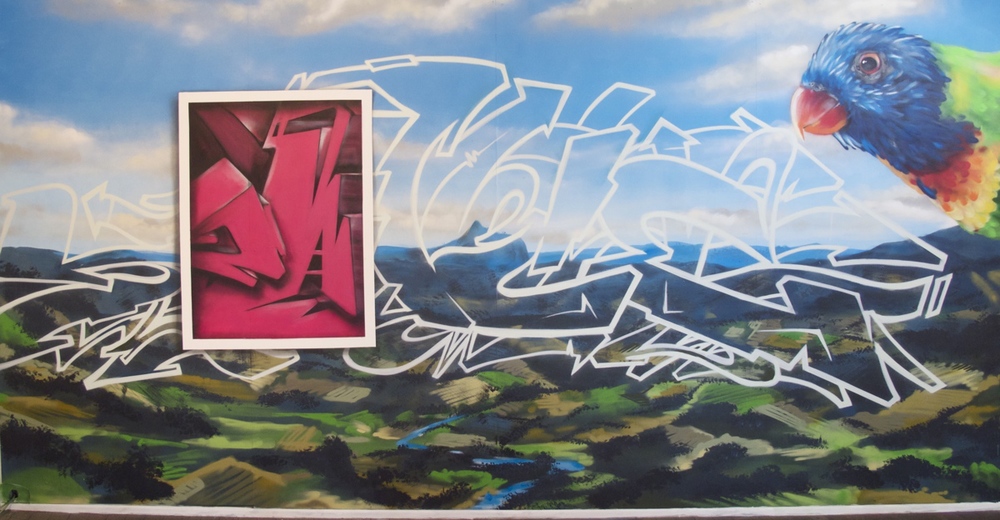
This mural is in the showcase section of our studio and everyone who walks in loves the cheeky lorikeet. Landscape and animal murals are popular with the public as the content is simple and accessible. For us in the studio, a new mural always adds some colour and reinforces our branding. If you’re looking to add some ‘WOW factor’ to your office or home a mural is a really simple choice to stand out from the crowd.
Welcome back to #ArtThursday! I’m glad you could make it. This week we’re getting into the nuts and bolts of the studio and talking about materials. You’ve all heard the saying a bad workman blames his materials, which is true to some extent, but mostly you get what you paid for.
When it comes to walls, murals and aerosol art, Sauce prefers to use good quality paint which will last the test of time. Which is why he prefers MTN. MTN have a great colour range and, with the Alien cans he can create some great translucent effects. Sauce has also used Montana Gold and Black and Australian made Signets. With paint, it is a matter of quality, especially when you are working with clients and painting on exterior surfaces. In the past, Sauce has experienced some supply issues as aerosols are classed as dangerous materials. This means they need to be shipped and freighted via rail or road, and all of that can lead to supply shortages at retail outlets, even if you order well in advance.
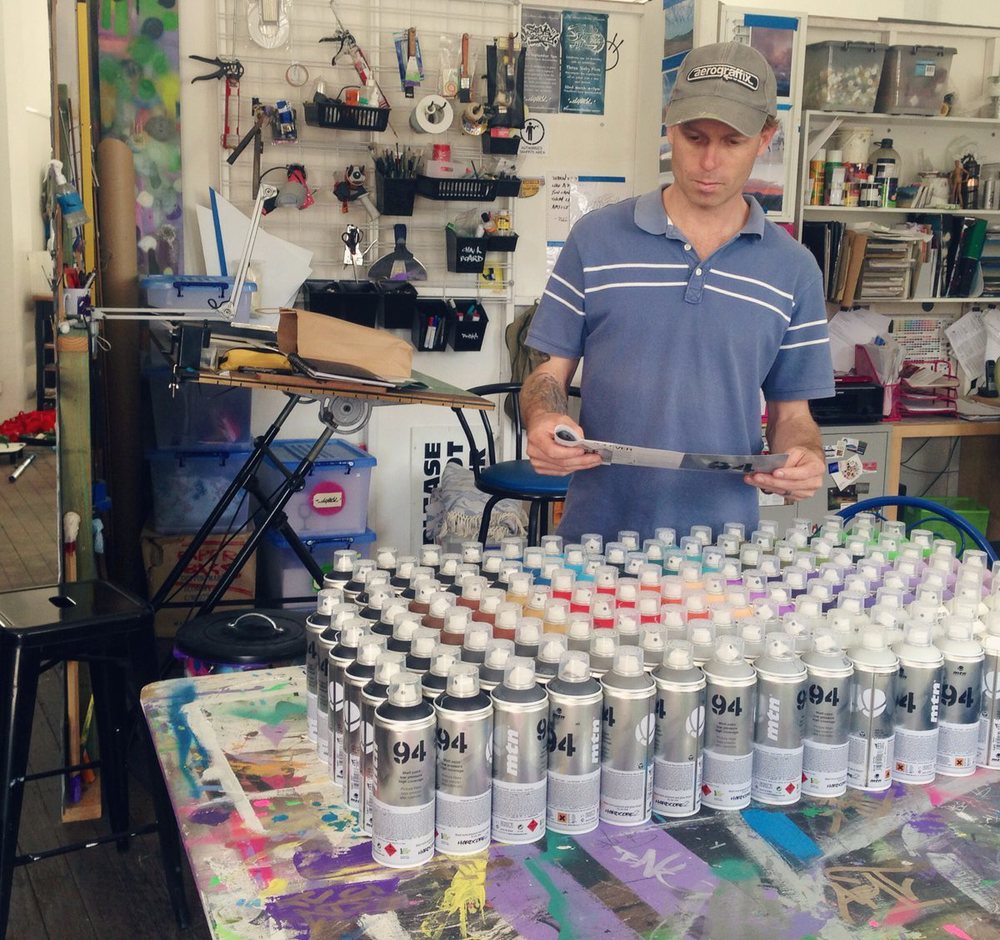 Sauce in the studio with his latest batch of supplies.
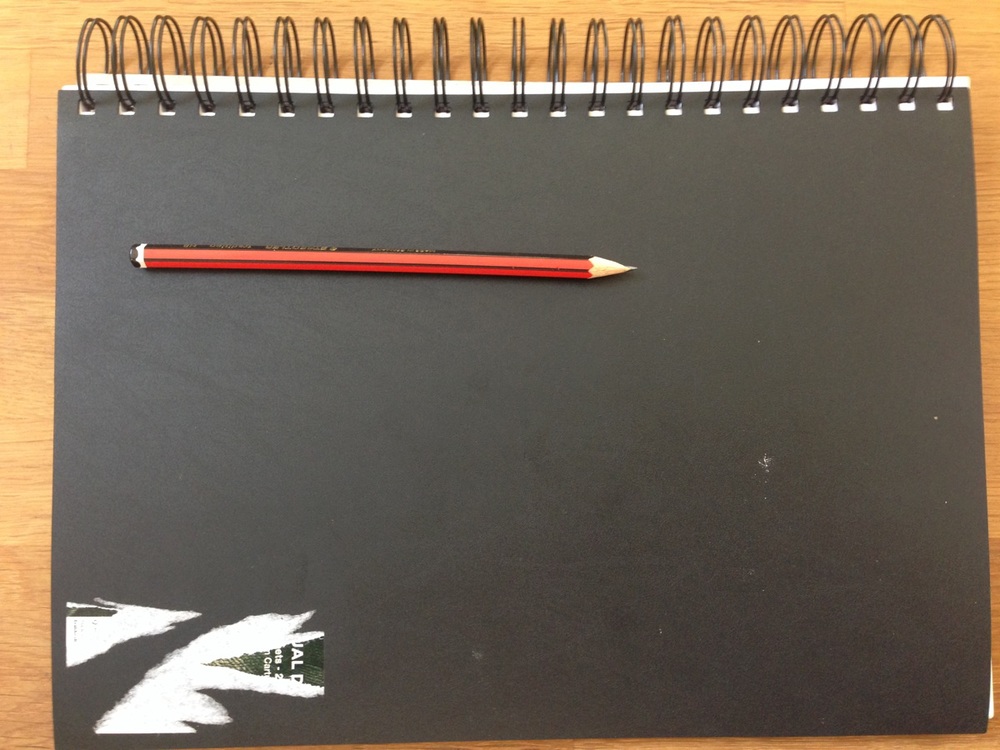
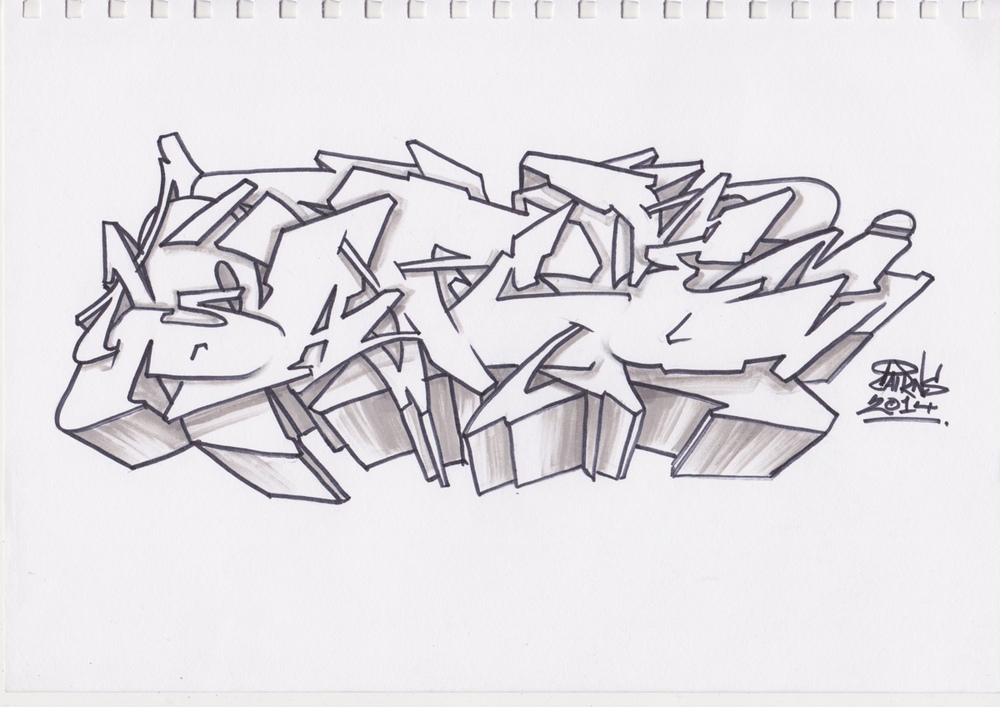
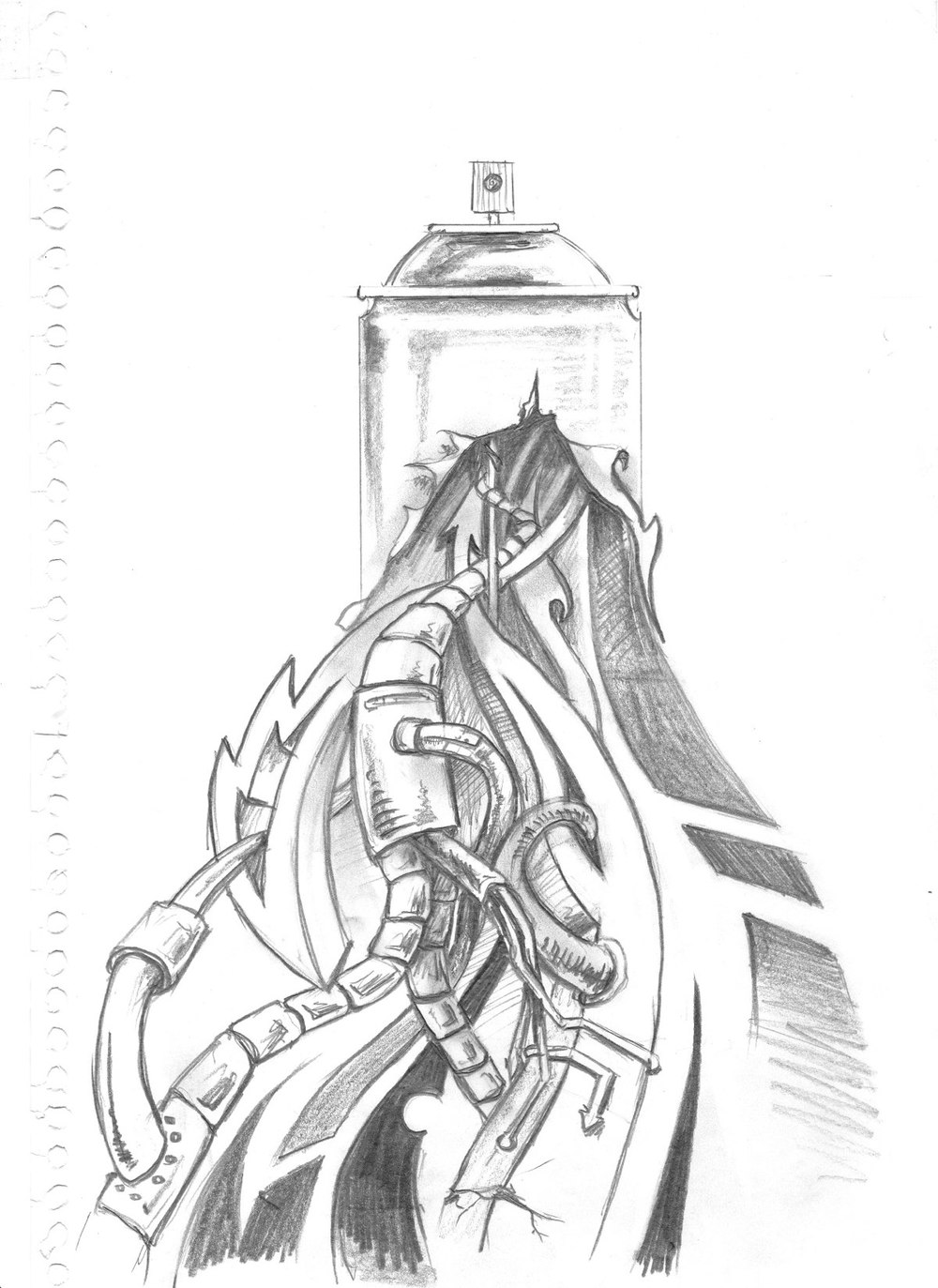
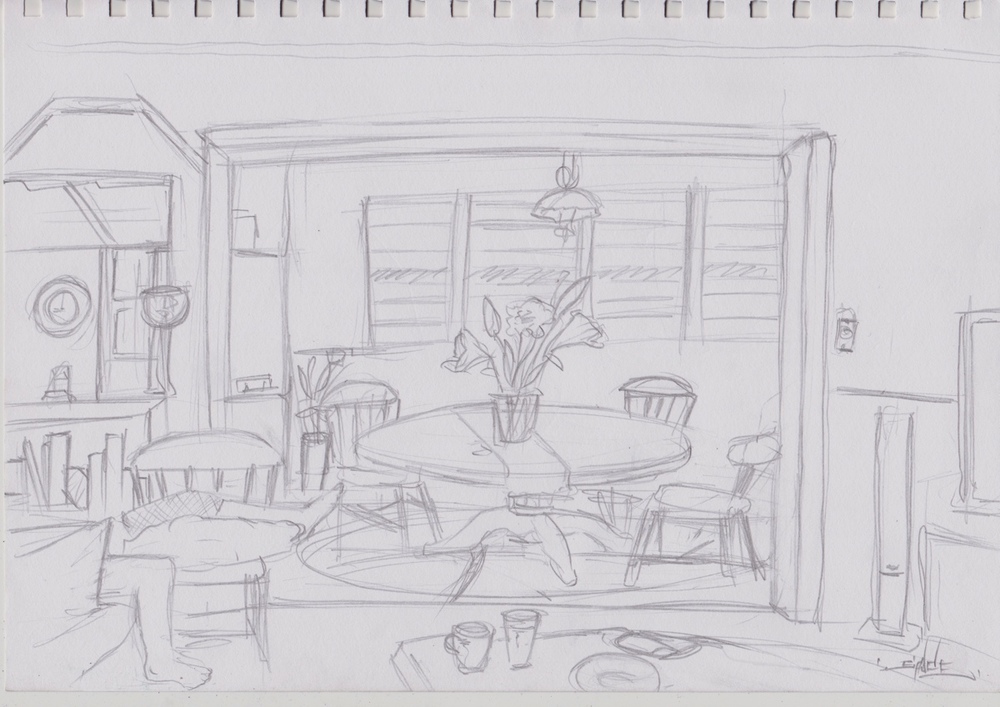
As for sketching, drawing and Blackbooks, Sauce prefers to keep it simple and low key. His Blackbooks are A4 or A5 and his latest batch came from the local office supply store. A4 is for Blackbook sketches and smaller commissions while the A5 is for large scale walls or logo designs. In the sketch books, he uses a myriad of pens and pencils and has no real brand preference. Again, this is where as an artist, he likes to keep it low key. Most designs are done in pencil with very limited use of colour. The lack of colour is usually done to save time for the client and it can be challenging to colour match pens with aerosol paints.
Sauce’s drawing desk. Here, it’s full of reference pictures, pens, rulers and other stationary.
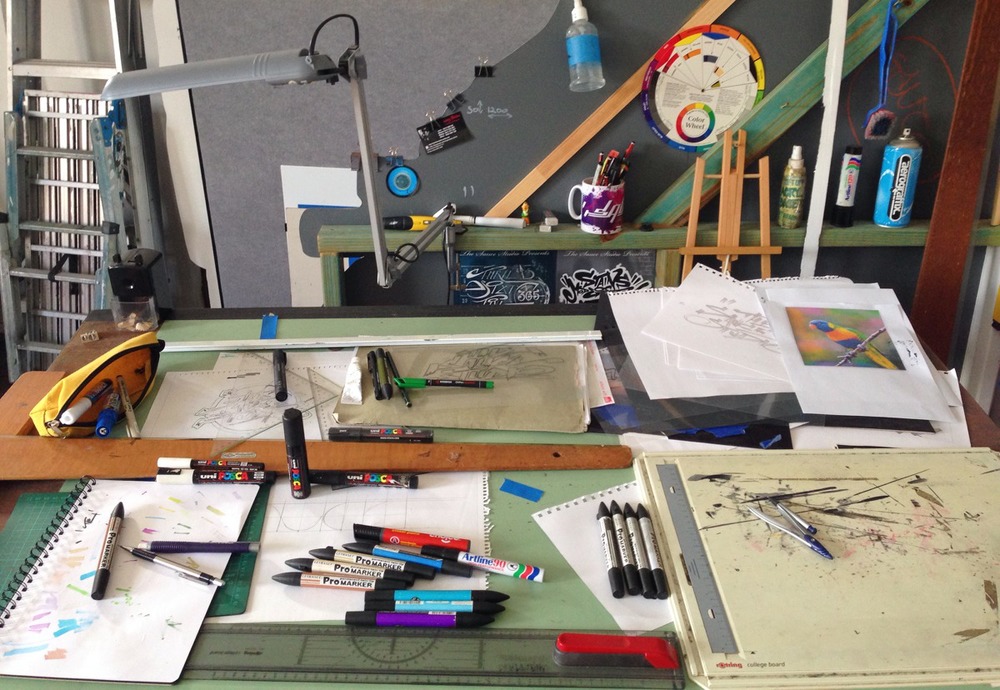
No big secrets or surprises here. Just good old fashioned paint.
NB This is not a sponsored post.
This week for #ArtThursday, I’m talking about public art. Over the past decade, Sauce has contributed a vast amount of public art to the wider community with numerous murals, some of which were commissioned and funded and others were self directed and self-funded. Either way, the murals all added colour and changed the cultural ambience of the area, which is the main aim of public art. Good public art should add and create a better ambience, it should be aesthetically pleasing to a wide audience, it should invite a positive dialogue and as all good art does it should Comfort the disturbed and disturb the comforted.

Dick, Head of Department. Sauce, 2014.
This is easer said than done, as there are loads of different pieces of public art in our communities which do not reach a wide audience nor improve the visual and cultural ambience of the area. When I mention public art, how many images of bronze statues of forgotten Kings come to mind, or in our trade, how many faded murals have you seen which were a community project from many moons ago? It’s easy to be scathing of such pieces, however as an industry professionals, Sauce and myself have some insights about the process, and how the bureaucrats manage to make such a mess of it all.
First, there is the procurement process. It is incredibly common to find an Expressions of Interest (EOI) where the details are incorrect, the time schedule is laughable or the project outcomes are not inline with the project details. Usually, this is due to the staff responsible for the project delivery. It is incredibly rare to find a bureaucrat with the experience in arts related project delivery, and even rarer to have people involved in the process who are arts practitioners. For all the fancy words and pretty pictures, most EOIs for public art are cut and pasted from another department and in the case of murals, it’s often about trying to solve an existing problem. Murals are rarely curated or planned into the design of the building or architecture.
Then there is the million dollar question: How much for the puppy sculpture in the park? Again, the bureaucrats put their two cents in here, and usually the artwork needs to be to a set budget, which isn’t necessarily a bad thing. However this figure is more than likely to be plucked out of thin air, than resemble an amount which will cover the professional delivery of a successful arts project. Again, in our experience, the fees associated with project delivery are unlikely to resemble a price which encompasses the price of materials and the time necessary for the project, it’s more about looking good in glossy brochures and to branch managers.
So how does the public fare in all of this, and what do they do when they get a dead tree or Poo Sticks in their local park? For the better part, their taxes and rates are wasted on Red Tape. Which isn’t good for anyone, as it means both the artists and the public are missing out on fulfilling cultural experiences. While there are plenty of great artists with even better ideas, there are few opportunities for professional artists to deliver artist driven projects. And don’t even get me started on grants. I’d rather pull my teeth out with pliers than waste my time applying for endless grants.
So next time you’re reading the paper and notice “some artist” gets “$120,000 for a light installation” or whatever the flavour of the month is, you can guarantee most of the cash went to the bureaucrats, and the artist is most likely still penniless.
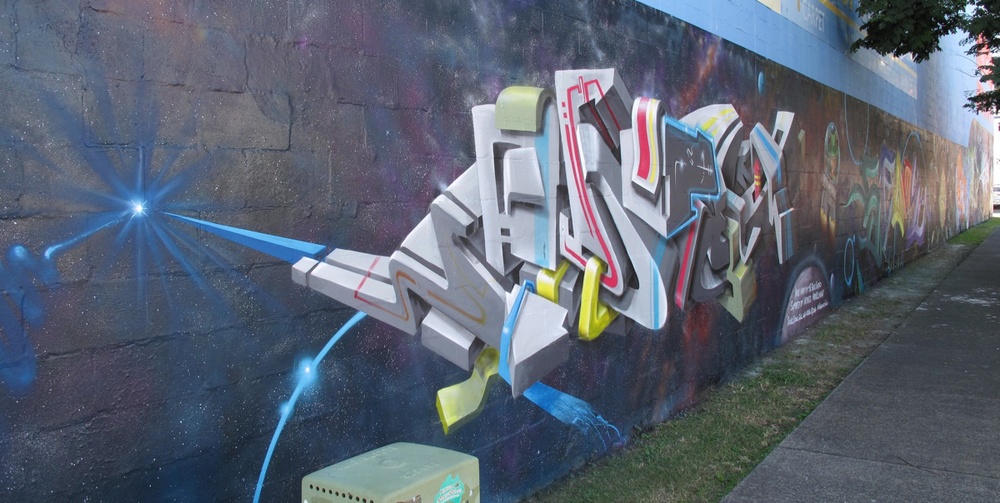
This project in Murwiilumbah took several days of pre-production, 112 hours to paint, used 35 litres of acrylic paint and 120 aerosol cans, 114 nozzles, and the artists traveled from Sydney, Brisbane and the Gold Coast and had 87 years experience between them. In short, the lads put in a mammoth effort over the Easter long weekend to finish this mural. For a full background visit the blog, where I explain the finer details of the wall.
Name: Sauce
From: Northern NSW
Trade: Mural and Aerosol Artist
Painting Since: 1994
Theme: Increase the Peace


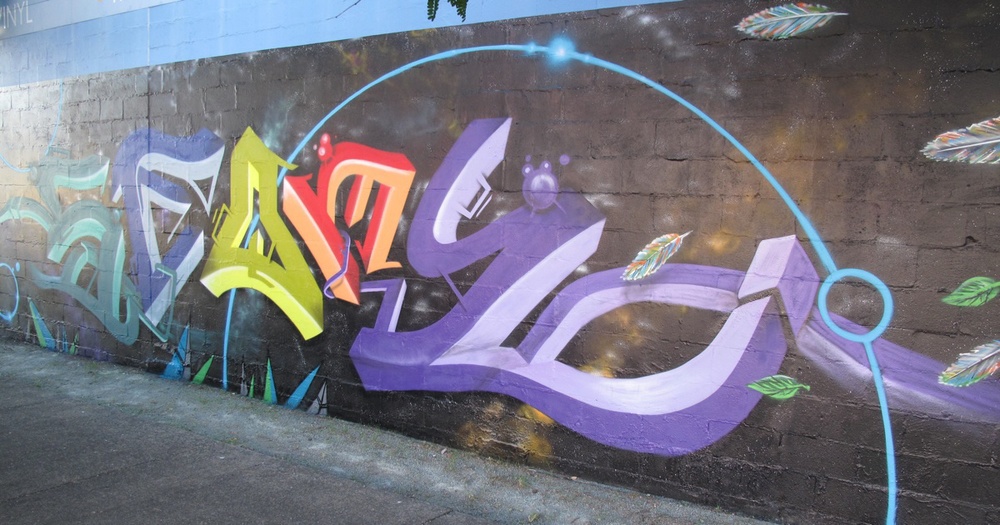
Name: Skons
From: Brisbane
Painting Since: 1999
Trade: Tattoo Artist
Theme: Increase the Peace

Name: Jae Theartist
From: Wherever he lays his head
Trade: Sign writing and aerosol art
Painting Since: 1989
Theme: Finding what creates a resonance with light
Website: Flickr
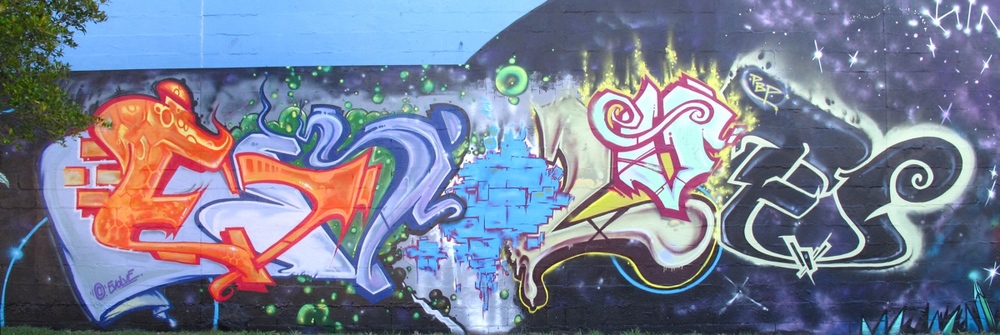

Name: Ksino
From: Sydney, now lives in Brisbane
Trade: Owner of Butter Beats Record Store
Painting Since: 1986
Theme: It’s more likely that we landed a monkey on the moon than a man.
Website: Butter Beats & Kasino

Welcome back to #ArtThursday!
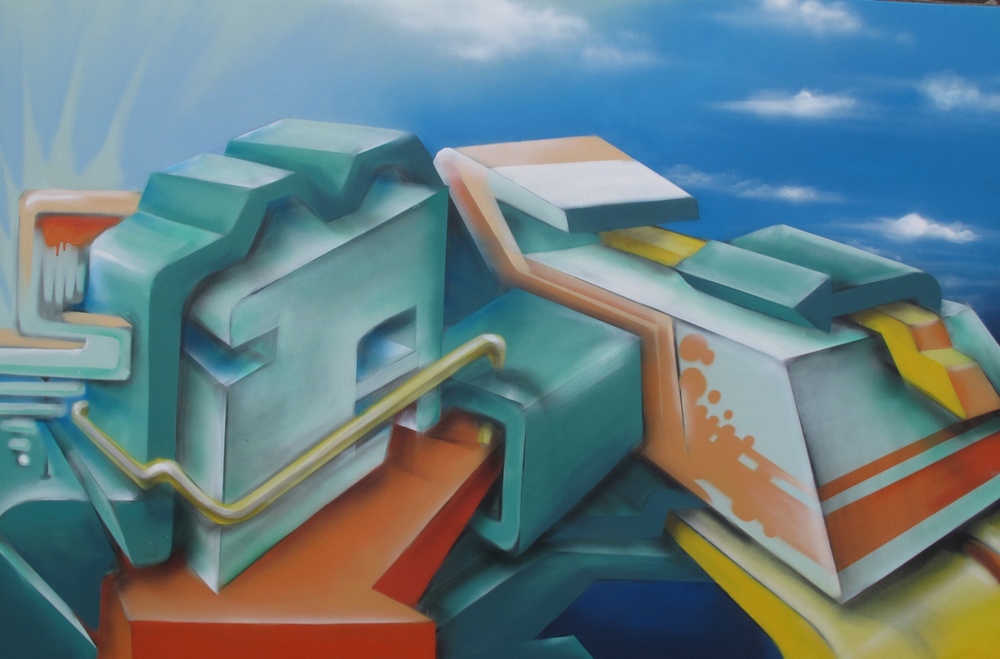 A & C, aerosol on canvas. Sauce, 2014.
This week I want to about graff and galleries. For some time now, Sauce has been painting smaller graffiti pieces on canvas. Some of these works have won awards and hung in fine galleries, and others now live in suburban lounge-rooms, which strikes the question: Does graffiti belong in the gallery?
The short answer is yes. Graffiti, aerosol art and street art are legitimate art forms and are definitely a part of the urban expression and deserve a place in our galleries, museums and cultural homes.

De-stagnate, aerosol on canvas. Sauce, 2013
But… What is this doing to the art form and culture of graffiti and what about it’s rebellious roots in railways and razor wire? By removing the art form it’s ‘natural habitat’ are we devaluing and watering down it’s effects and messages? What is the state of the wider culture of hip hop, when a piece of pastiche and derivative stencil art piece can command a small fortune*?
There is no short or easy answer to the problems of gentrified graffiti, however it does allow artists to expand their repertoire and practice their skills. Essentially, this cultural shift of graffiti in galleries commands artists to delve further into their arts practice and hone their craft, and at the very least, it allows the graffiti artist to escape the authorities one more time.

Something Sweet, aerosol on canvas. Sauce, 2013
*I could delve further into this and explain it in terms of Bourdieu and maybe even Simmel but who’s got time for that?
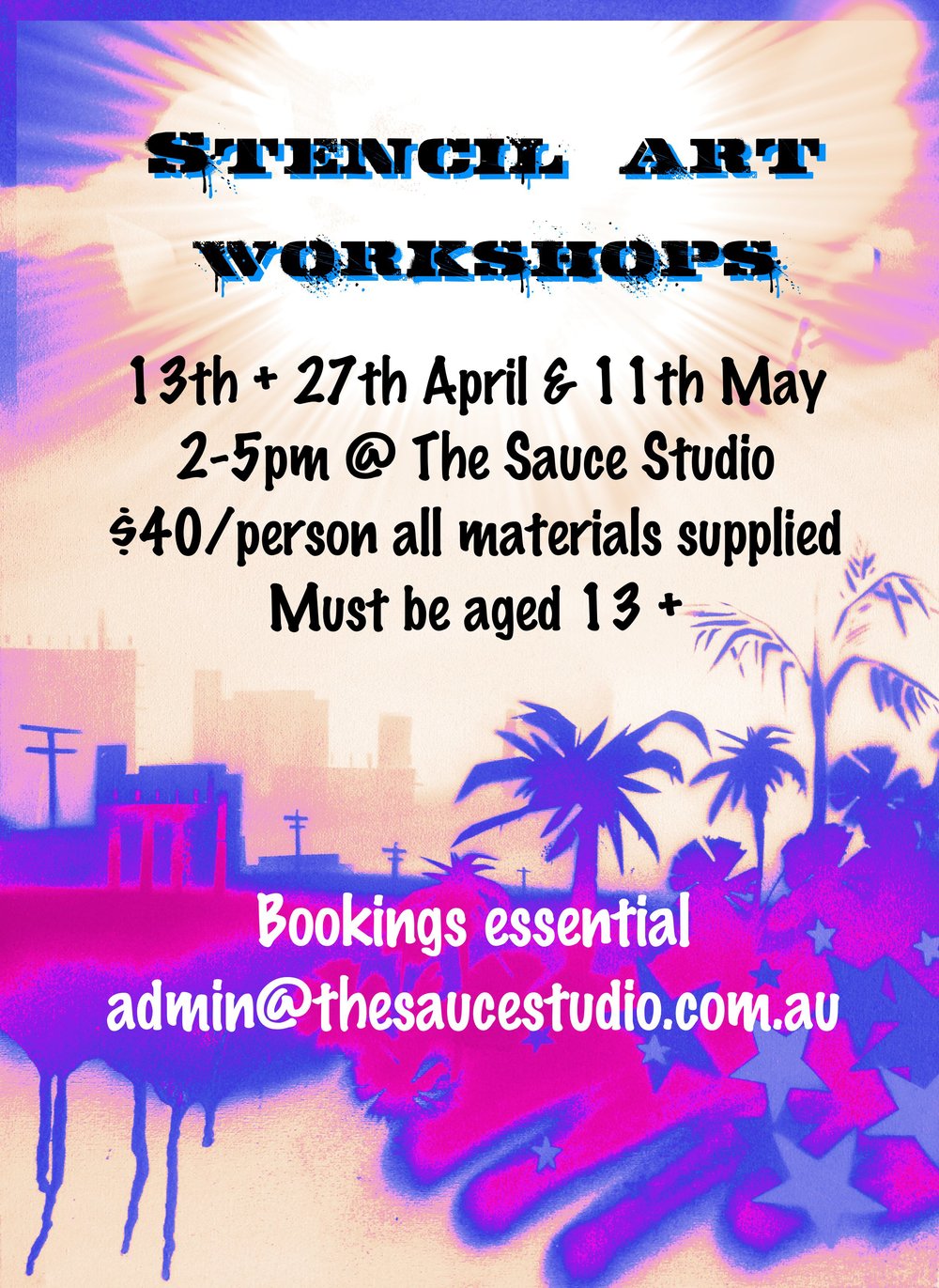
We’ve released a new series of dates for our ridiculously popular stencil art workshops. Now is the time to book in for a workshop (or three!) in the studio in Murwillumbah since they book out fast. See you in the studio.
Handcrafted Artwork Since 94 - The Sauce Studio
Mural Artist - School Murals - Sign Painter - Public Art
We acknowledge the traditional custodians of Australia, and their continued connection to country and culture. We respect their Elders, past and present, and all Aboriginal and Torres Straight Islander Nations.
