Public Art

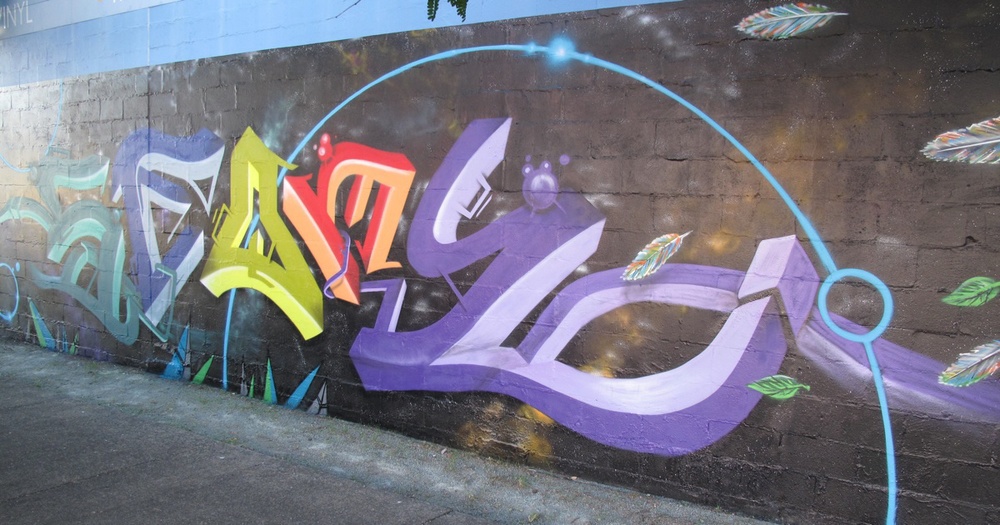
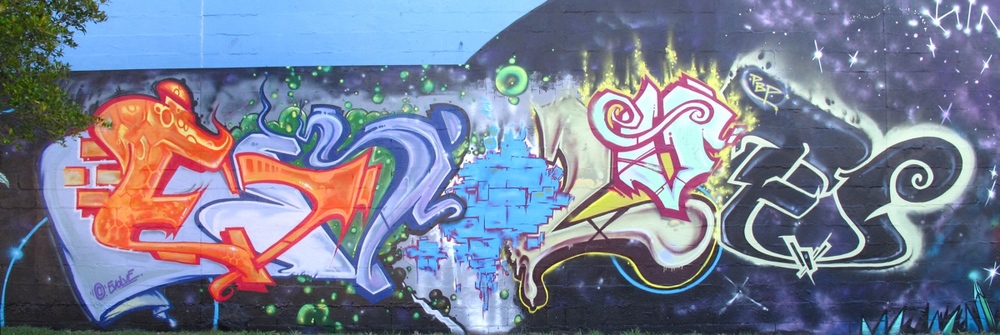
This week for #ArtThursday, I’m talking about public art. Over the past decade, Sauce has contributed a vast amount of public art to the wider community with numerous murals, some of which were commissioned and funded and others were self directed and self-funded. Either way, the murals all added colour and changed the cultural ambience of the area, which is the main aim of public art. Good public art should add and create a better ambience, it should be aesthetically pleasing to a wide audience, it should invite a positive dialogue and as all good art does it should Comfort the disturbed and disturb the comforted. 

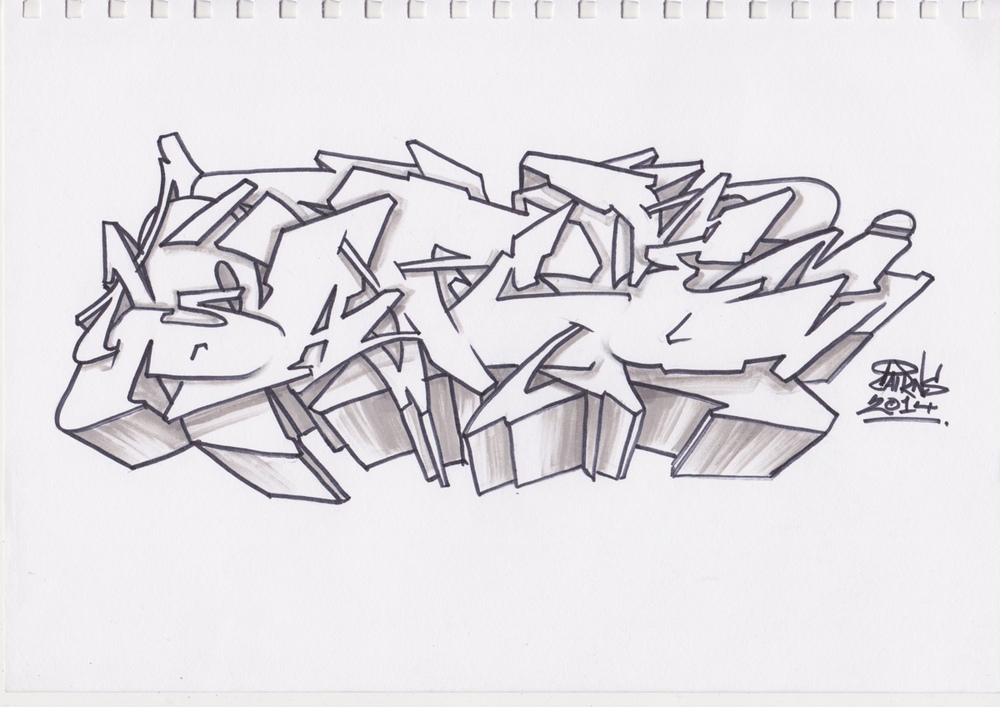
Dick, Head of Department. Sauce, 2014.


This is easer said than done, as there are loads of different pieces of public art in our communities which do not reach a wide audience nor improve the visual and cultural ambience of the area. When I mention public art, how many images of bronze statues of forgotten Kings come to mind, or in our trade, how many faded murals have you seen which were a community project from many moons ago? It’s easy to be scathing of such pieces, however as an industry professionals, Sauce and myself have some insights about the process, and how the bureaucrats manage to make such a mess of it all.


First, there is the procurement process. It is incredibly common to find an Expressions of Interest (EOI) where the details are incorrect, the time schedule is laughable or the project outcomes are not inline with the project details. Usually, this is due to the staff responsible for the project delivery. It is incredibly rare to find a bureaucrat with the experience in arts related project delivery, and even rarer to have people involved in the process who are arts practitioners. For all the fancy words and pretty pictures, most EOIs for public art are cut and pasted from another department and in the case of murals, it’s often about trying to solve an existing problem. Murals are rarely curated or planned into the design of the building or architecture.  


Then there is the million dollar question: How much for the puppy sculpture in the park? Again, the bureaucrats put their two cents in here, and usually the artwork needs to be to a set budget, which isn’t necessarily a bad thing. However this figure is more than likely to be plucked out of thin air, than resemble an amount which will cover the professional delivery of a successful arts project. Again, in our experience, the fees associated with project delivery are unlikely to resemble a price which encompasses the price of materials and the time necessary for the project, it’s more about looking good in glossy brochures and to branch managers. 


So how does the public fare in all of this, and what do they do when they get a dead tree or Poo Sticks in their local park? For the better part, their taxes and rates are wasted on Red Tape. Which isn’t good for anyone, as it means both the artists and the public are missing out on fulfilling cultural experiences. While there are plenty of great artists with even better ideas, there are few opportunities for professional artists to deliver artist driven projects. And don’t even get me started on grants. I’d rather pull my teeth out with pliers than waste my time applying for endless grants. 


So next time you’re reading the paper and notice “some artist” gets “$120,000 for a light installation” or whatever the flavour of the month is, you can guarantee most of the cash went to the bureaucrats, and the artist is most likely still penniless. 
Increase the Peace

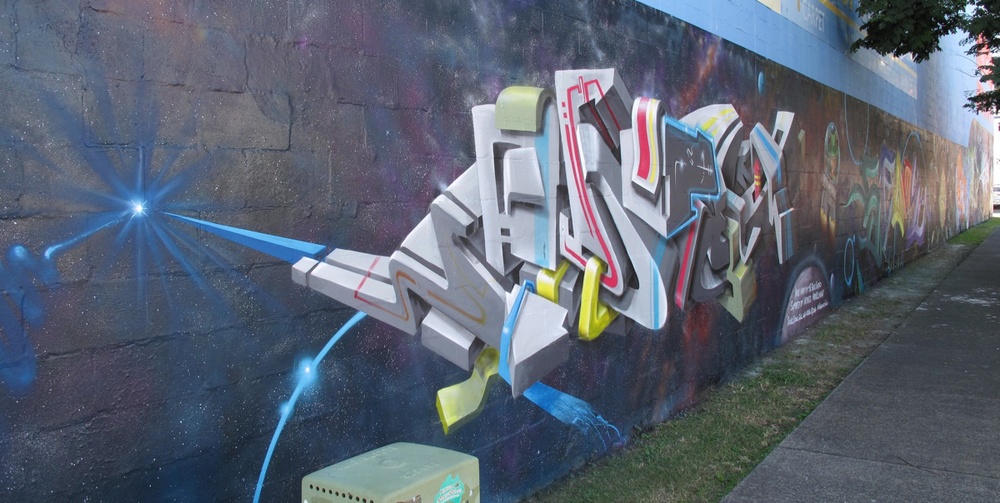
After opening The Sauce Studio in March 2013, Sauce and I were adamant something had to be done “about that wall”. By then the wildlife mural had some new additions including genitalia to the fauna and some political statements about drug use, which just reinforced Sauce’s ideas about reinvigorating the wall with a fresh coat of paint. After a quick chat with the store owner and a few discussions with the building owner, we secured permission for the wall, but no funding, so we had to wait a little longer. I tried to source some grant funds, but the timing wasn’t right and since it was an aerosol project it added another level of challenges with various funding concepts. At one stage both Sauce and myself tried to approach both the local Tweed Council and the local Tweed Regional Art Gallery, however both organisations made it abundantly clear they had neither the infrastructure or the interest to make such a project happen. When we had a meeting with the management of the Community and Cultural Services (after numerous weeks and months of waiting) we were informed there was no budget for any public art and despite recently passing a new policy and people employed to approve such projects, there was still no way council would be involved with any artist driven projects.  
Read More

Increase the Peace

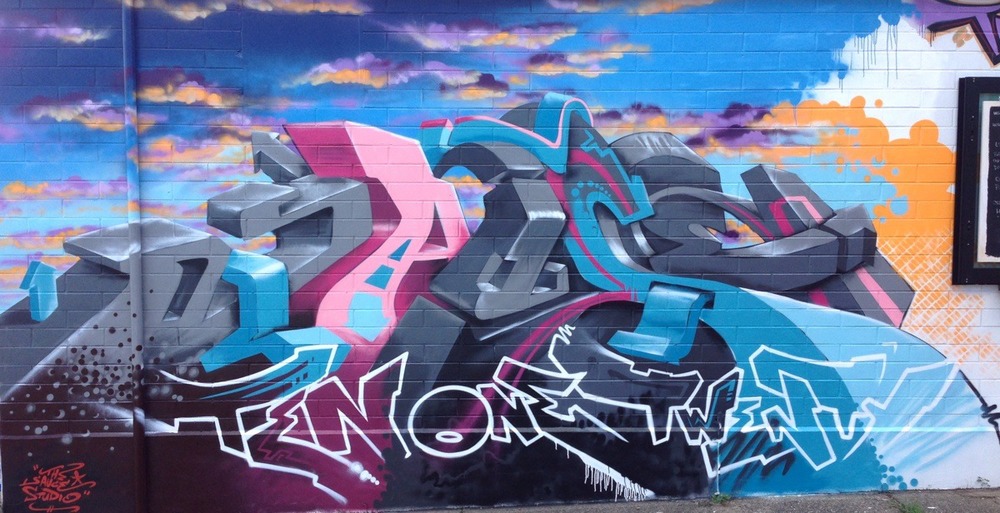
This project in Murwiilumbah took several days of pre-production, 112 hours to paint, used 35 litres of acrylic paint and 120 aerosol cans, 114 nozzles, and the artists traveled from Sydney, Brisbane and the Gold Coast and had 87 years experience between them. In short, the lads put in a mammoth effort over the Easter long weekend to finish this mural. For a full background visit the blog, where I explain the finer details of the wall.  

Name: Sauce

From: Northern NSW

Trade: Mural and Aerosol Artist

Painting Since: 1994

Theme: Increase the Peace

Sauce
Sauce
Skonz


Name: Skons

From: Brisbane

Painting Since: 1999

Trade: Tattoo Artist

Theme: Increase the Peace

Jae Theartist


Name: Jae Theartist

From: Wherever he lays his head

Trade: Sign writing and aerosol art

Painting Since: 1989

Theme: Finding what creates a resonance with light

Website: Flickr 

Jae Theartist 
Ksino


Name: Ksino

From: Sydney, now lives in Brisbane

Trade: Owner of Butter Beats Record Store

Painting Since: 1986

Theme: It’s more likely that we landed a monkey on the moon than a man. 

Website: Butter Beats & Kasino 


Ksino

Gentrified Graffiti

Welcome back to #ArtThursday! 

  A & C, aerosol on canvas. Sauce, 2014.

This week I want to about graff and galleries. For some time now, Sauce has been painting smaller graffiti pieces on canvas. Some of these works have won awards and hung in fine galleries, and others now live in suburban lounge-rooms, which strikes the question: Does graffiti belong in the gallery?


The short answer is yes. Graffiti, aerosol art and street art are legitimate art forms and are definitely a part of the urban expression and deserve a place in our galleries, museums and cultural homes. 


De-stagnate, aerosol on canvas. Sauce, 2013

But… What is this doing to the art form and culture of graffiti and what about it’s rebellious roots in railways and razor wire? By removing the art form it’s ‘natural habitat’ are we devaluing and watering down it’s effects and messages? What is the state of the wider culture of hip hop, when a piece of pastiche and derivative stencil art piece can command a small fortune*? 


There is no short or easy answer to the problems of gentrified graffiti, however it does allow artists to expand their repertoire and practice their skills. Essentially, this cultural shift of graffiti in galleries commands artists to delve further into their arts practice and hone their craft, and at the very least, it allows the graffiti artist to escape the authorities one more time. 


Something Sweet, aerosol on canvas. Sauce, 2013


*I could delve further into this and explain it in terms of Bourdieu and maybe even Simmel but who’s got time for that?

Blackbook

Welcome to #artthursday! Now that I (Ainslie Rose) have editorial control over the blog (mwahaha!) I thought I would start a series which investigates the culture and practise of aerosol art. Each Thursday, I’ll talk about the different aspects of aerosol art and delve into the culture of graffiti. To start with, I’ll begin with the Blackbook.
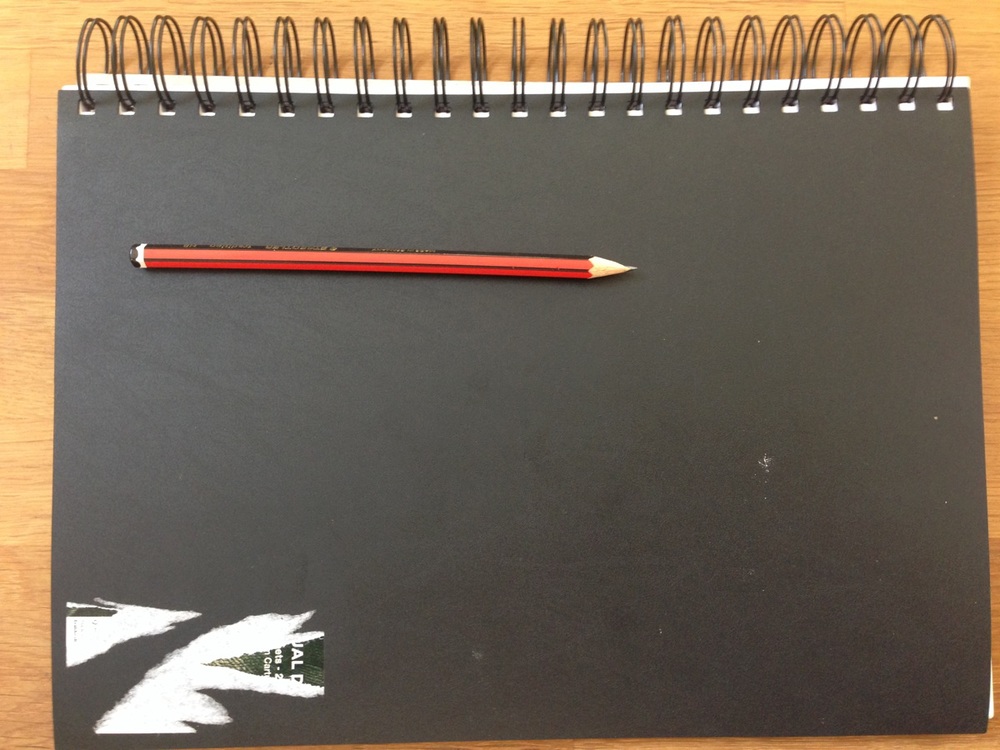
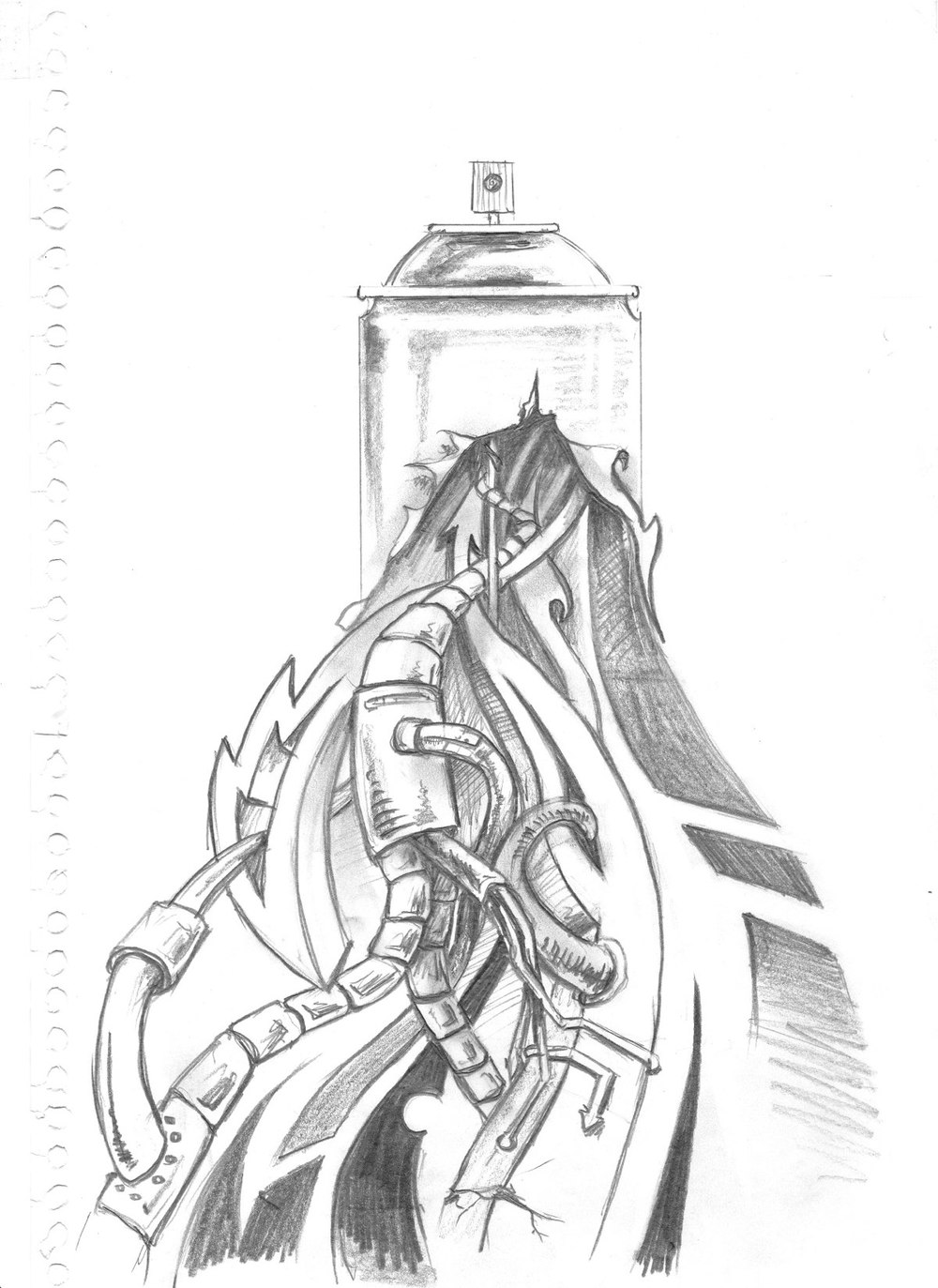
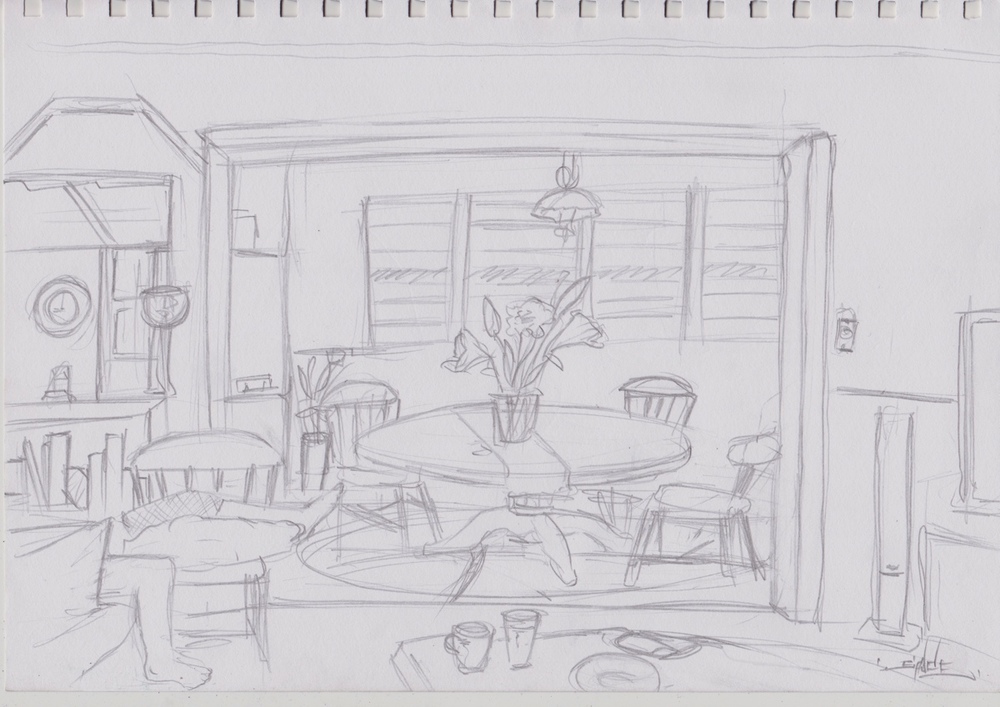
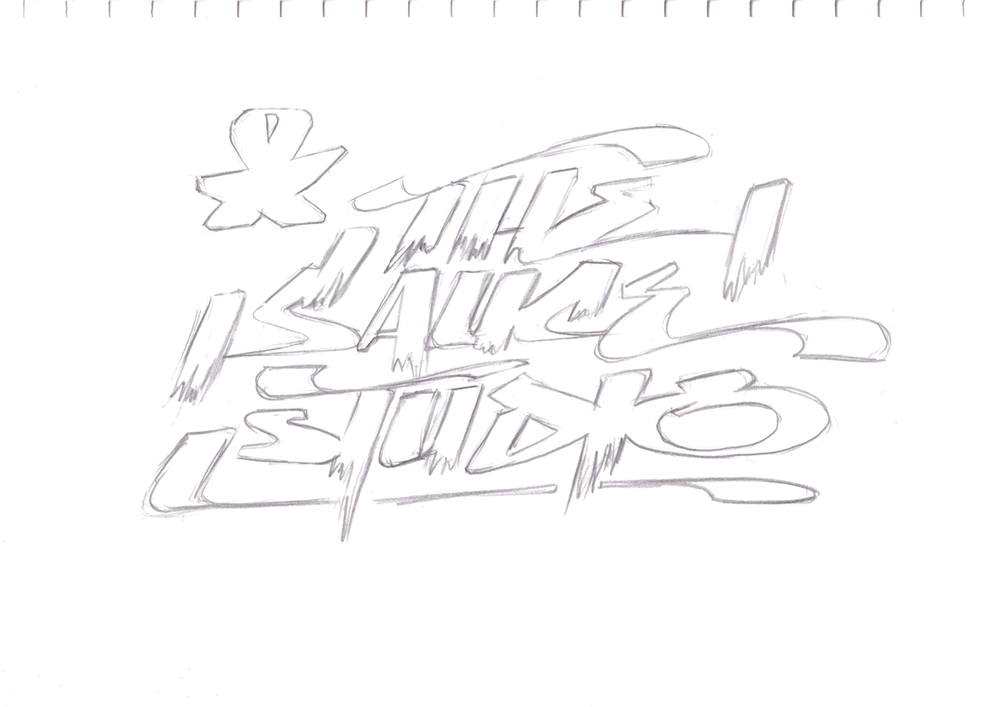
The Blackbook in it’s simplest form is a sketchbook. It’s a dedicated book used by artists to mill over ideas and plan out designs. The exterior is usually plain black, hence the term Blackbook. They can be easily obtained from a newsagent or office supply store and usually have unlined white pages with a thicker GSM. Some aerosol paint brands associated with graffiti culture such as Montana/ MTN and Montana Colors  also carry a line of black books with their branding and some have the option of black pages for the use of metallic markers. The books are usually A4 in size, but larger versions are also available. As an artist, Sauce uses a standard A4 book, available from office supply stores and uses various pencil types for basic sketches and outlines in pen using Artline of Promarker for more complex and interesting designs. When Sauce is working on designs for clients, he prefers to keep the details simple and rarely uses colour. 
All very exciting facts, but it’s the little details which build the culture. The Blackbook (which I’ve written about before) is definitively more than a few doodles on a page and it’s more than vandals planning their next attack. Sketches are mindful mediations which are documented and journaled in the Blackbook  and it is this mindfulness which gives meaning to the graffiti piece. Now, through the mighty powers of social media, artists are sketching pieces and battling for supremacy with other artists all over the globe. When Sauce first stared dabbling and experimenting with Graff, he had a chance encounter with an old school writer, who gave him a quick sketch in Sauce’s Blackbook and it was this organic collaboration which sparked something inside Sauce and spurned him to improve his skills. It’s this type of sharing and creative process which forms the backbone of artist’s creative concepts and ideas.  


Ten One Twenty

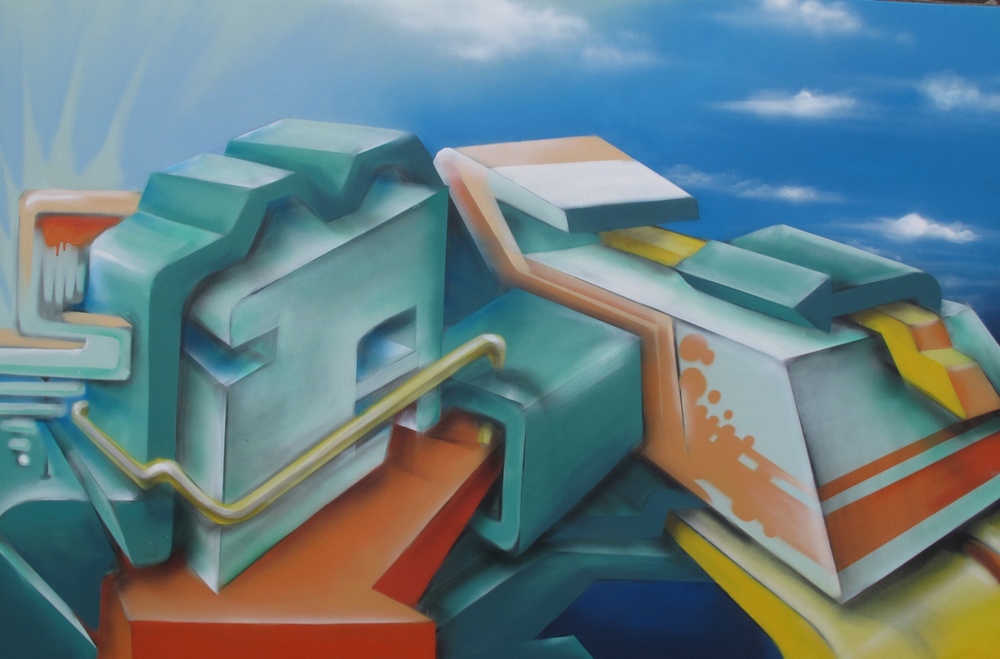
Last week, Sauce headed off to Cairns to take care of some family things and while he was up there, he scouted around to find a good wall. Which was perfect timing, as Ten One Twenty, a gelato and coffee shop was opening at Edge Hill, Cairns and they were on the look out for an aerosol artist. No gig is without challenges, and Sauce tells me it was so hot, his shirt was dripping with sweat (Gross!). It was also difficult to source enough paint with all the different colours, but Sauce, fuelled with coffee and gelato battled on and created a sunset themed 3D graffiti piece. Maybe next time, we’ll make a proper holiday out of it.  

Three Sixty Five


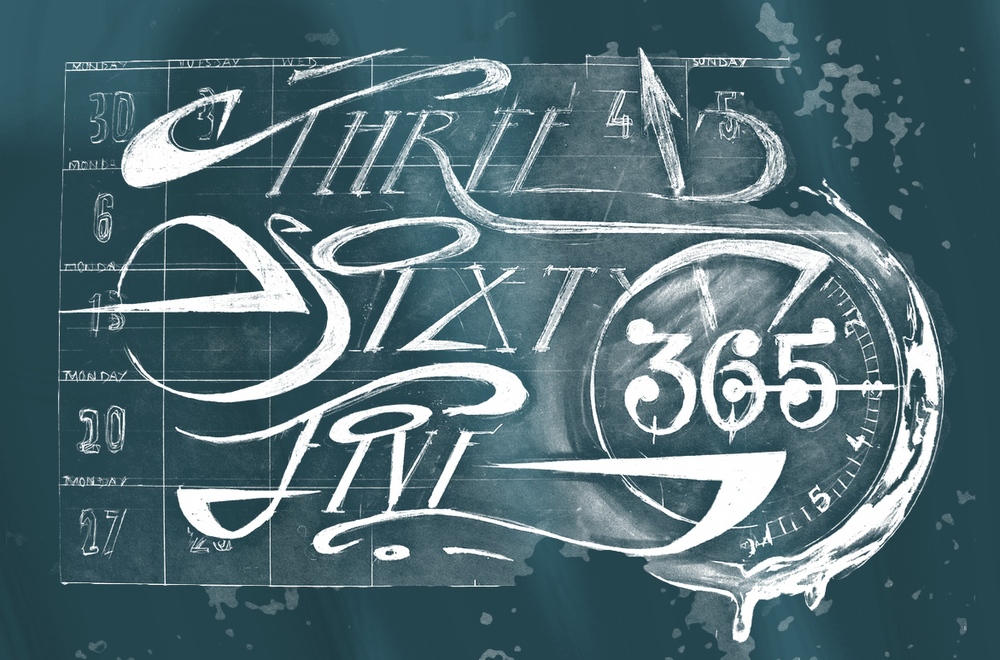
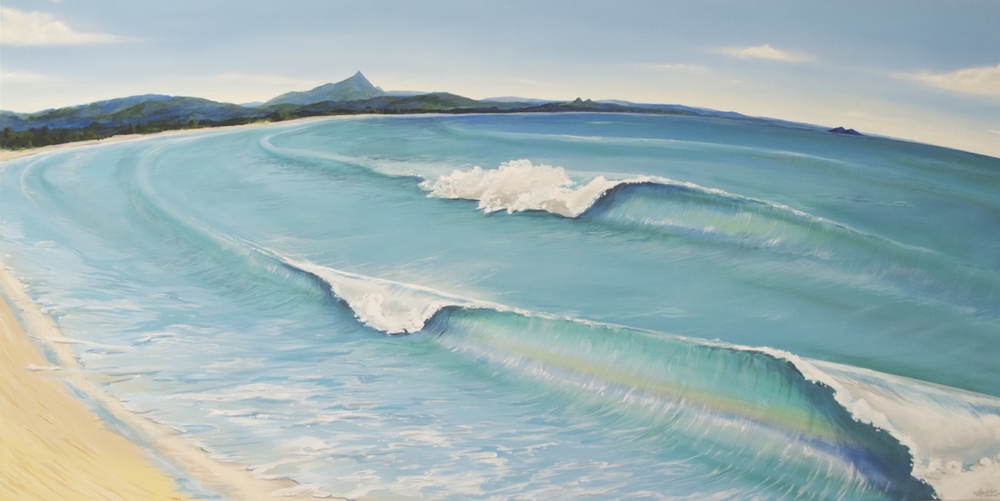
Three Sixty Five explores the highs and lows of an aerosol artist over a one year period. During the Wet Season of 2012/13 Sauce and Ainslie Rose spent too many days cooped up inside and spent long mornings talking over coffee about ‘what would be really cool’. It was from these heartfelt conversations the pair decided they needed to be the change and not the problem, and thus, The Sauce Studio was created. The Sauce Studio was meant to be the catalyst Murwillumbah and the Northern Rivers needed in regards to aerosol and contemporary art.


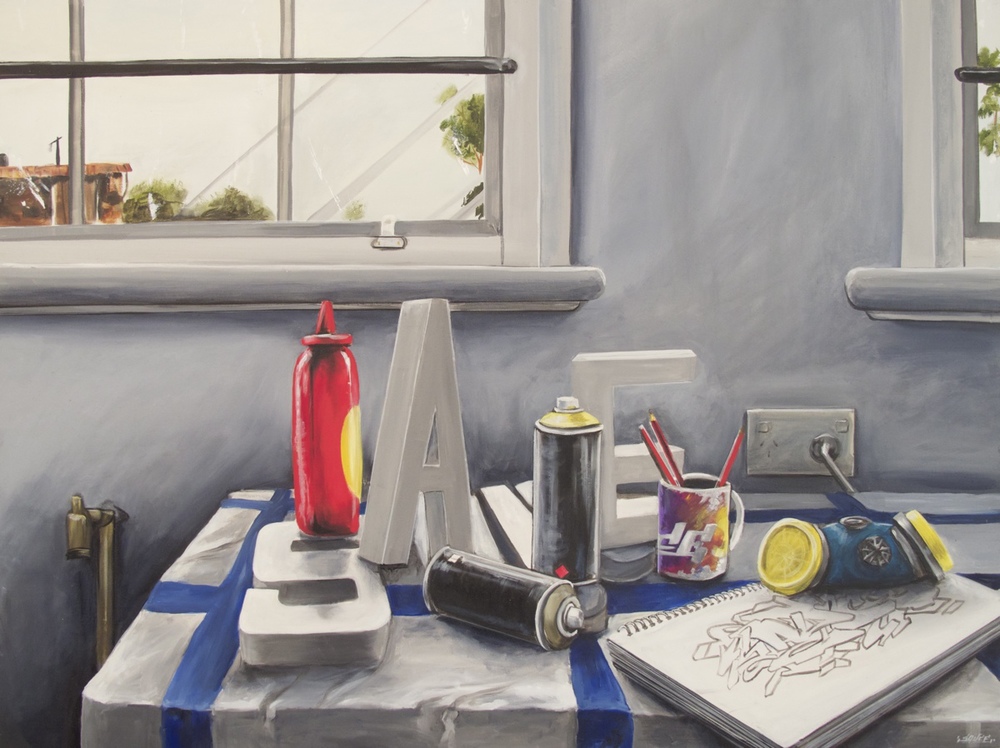
Still Lifeless, oil on canvas, 122cm x 91.5cm. Sauce, 2014.


Since opening last March, Sauce and Ainslie Rose have used the workshop and showcase to meet new friends and create new artworks, but it hasn’t been all beer and skittles for the creative couple. A large part of the challenge has been navigating through the bureaucracy associated with public art and murals. Sauce has worked with over eighty schools and has over a decade of professional experience, but he is still dictated to by public servants who know little if anything about public art. The bureaucracy isn’t usually site specific, that is, most large scale organizations and councils have the same level of paperwork and inane demands, however recent experiences with councils have taken the bureaucracy and flagrant stupidity to a new level.

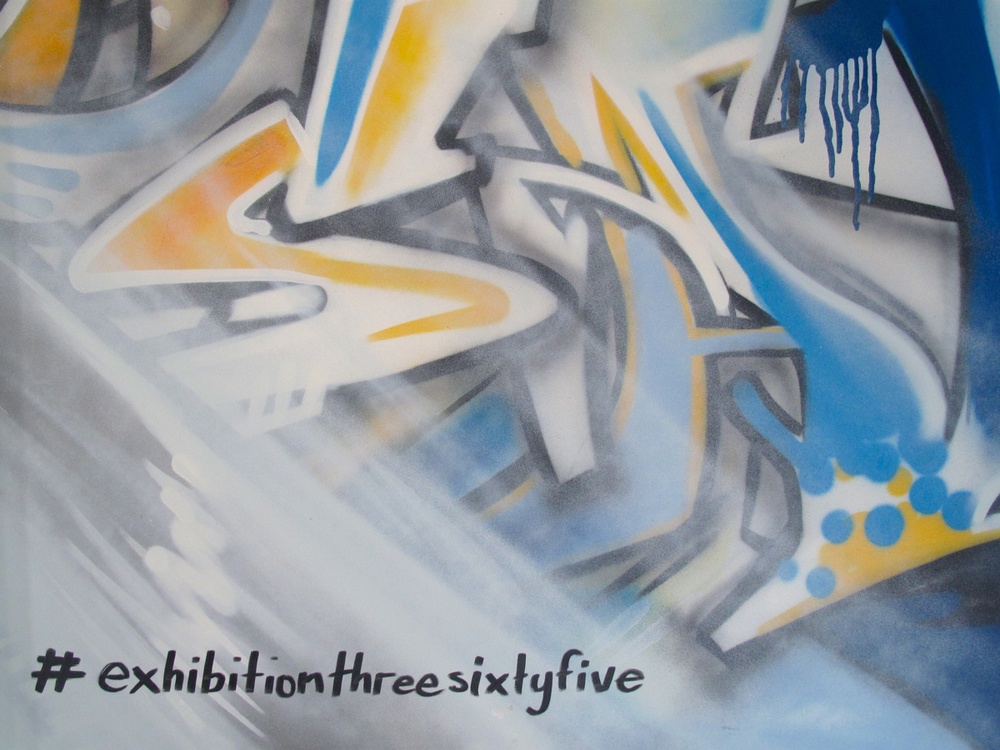
#exhibitionthreesixtyfive, aerosol on found object. Sauce 2014.

This paper-trail full of maintenance schedules, risk management plans, design briefs, and selection criteria may be a part of everyday life for the myriad of Cultural Development Officers, but it doesn’t denote high quality art, nor extrapolate cultural innovation; except when this is used as inspiration for an exhibition. It is these experiences of tribulation and encumbrance which has fueled this creative output. This exhibition serves as a metaphor for the challenges faced by a professional aerosol artist. The Sauce Studio arose out of dissatisfaction for the hegemonic demands of traditional gallery expectations and tokenistic public art projects and this celebration one year of operations in Murwillumbah exemplifies the positivity and success.  


Retrospective Self-portrait, acrylic on canvas, 76cm x 30cm. Sauce 2014.


From the Wreckacrylic on canvas, 183cm x 91.5cm. Sauce, 2014.

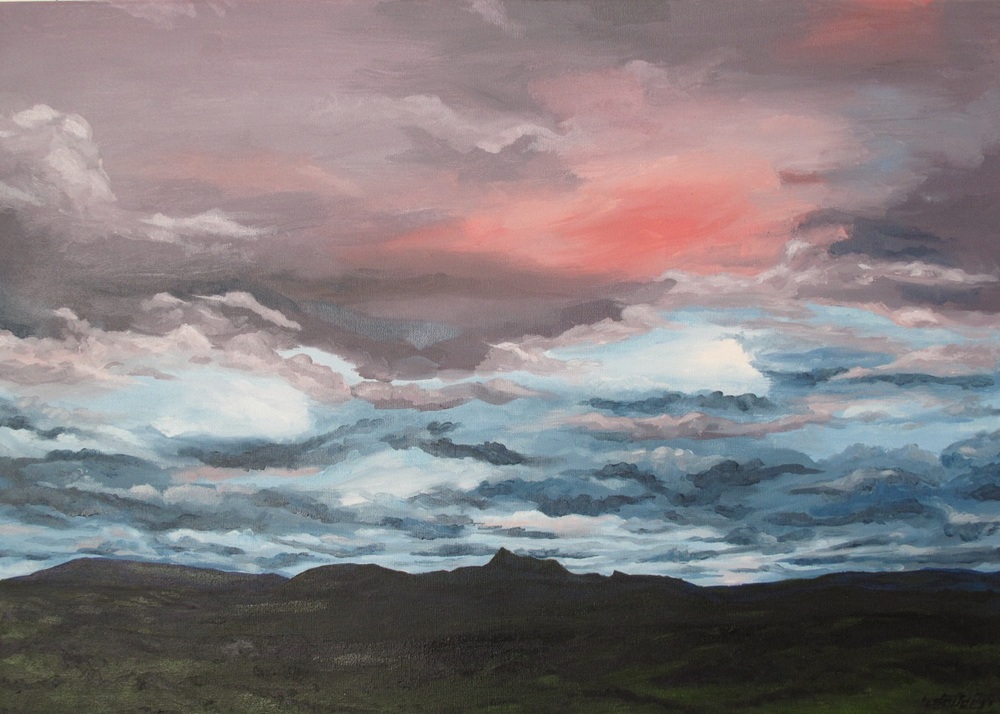
Overcast Enlightenmentoil on canvas, 70cm x 50cm. Sauce 2014.

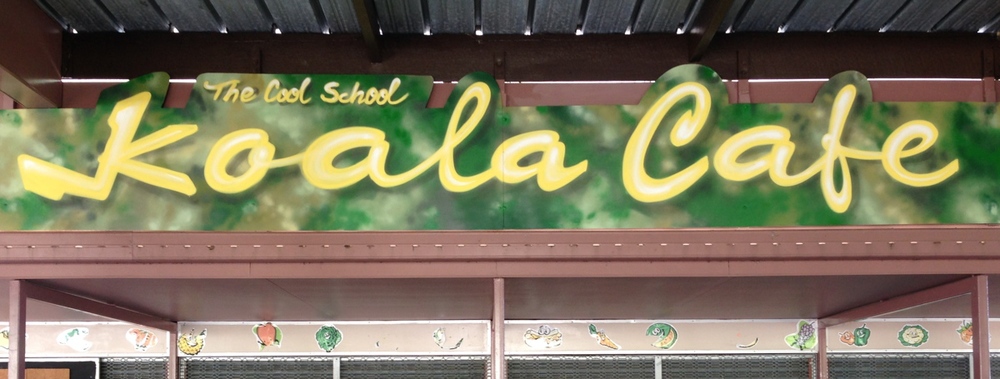
Koala Cafe

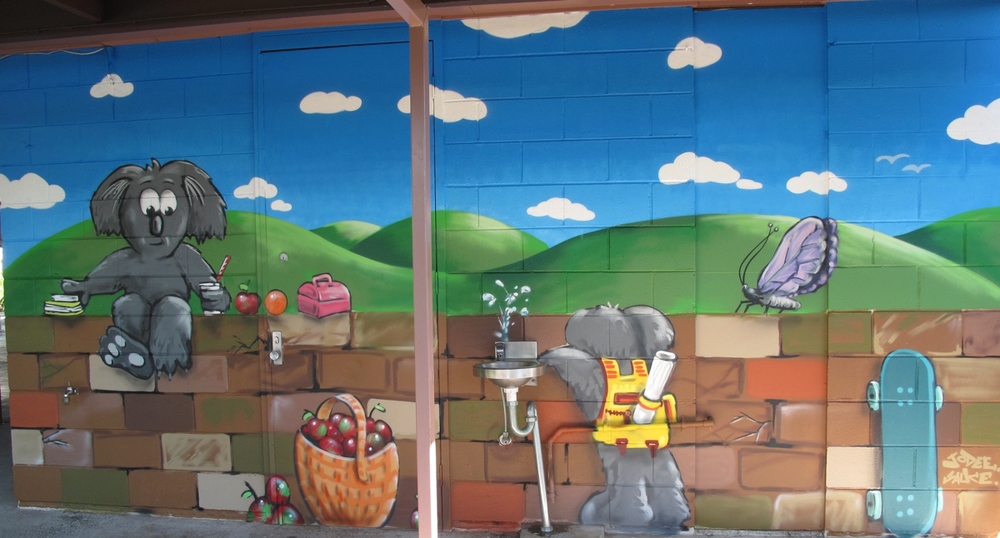
Late last year, we were contacted by the P & C at Coolnwynpin State School as they had some ideas about how they wanted to update their tuck-shop area. The school also had a few sketches and ideas about the space as previously, they had run a design competition with the students to involve the students in the process. The P & C also wanted the sign to match the theme of the previous mural Sauce had created at the school.

Sauce spent more time in pre-production with this mural as it included reworking the design process, involving a young person, and a cut-out detail for the sign. He also had to work around the school schedule which can be a challenge when you’re working with several different schools at once.
An honourable mention goes to the Groundskeeper, who fixed and primed the wall, making it ready for Sauce to paint on, and Jodee the School Captain, who help with the mural.

Life and Death

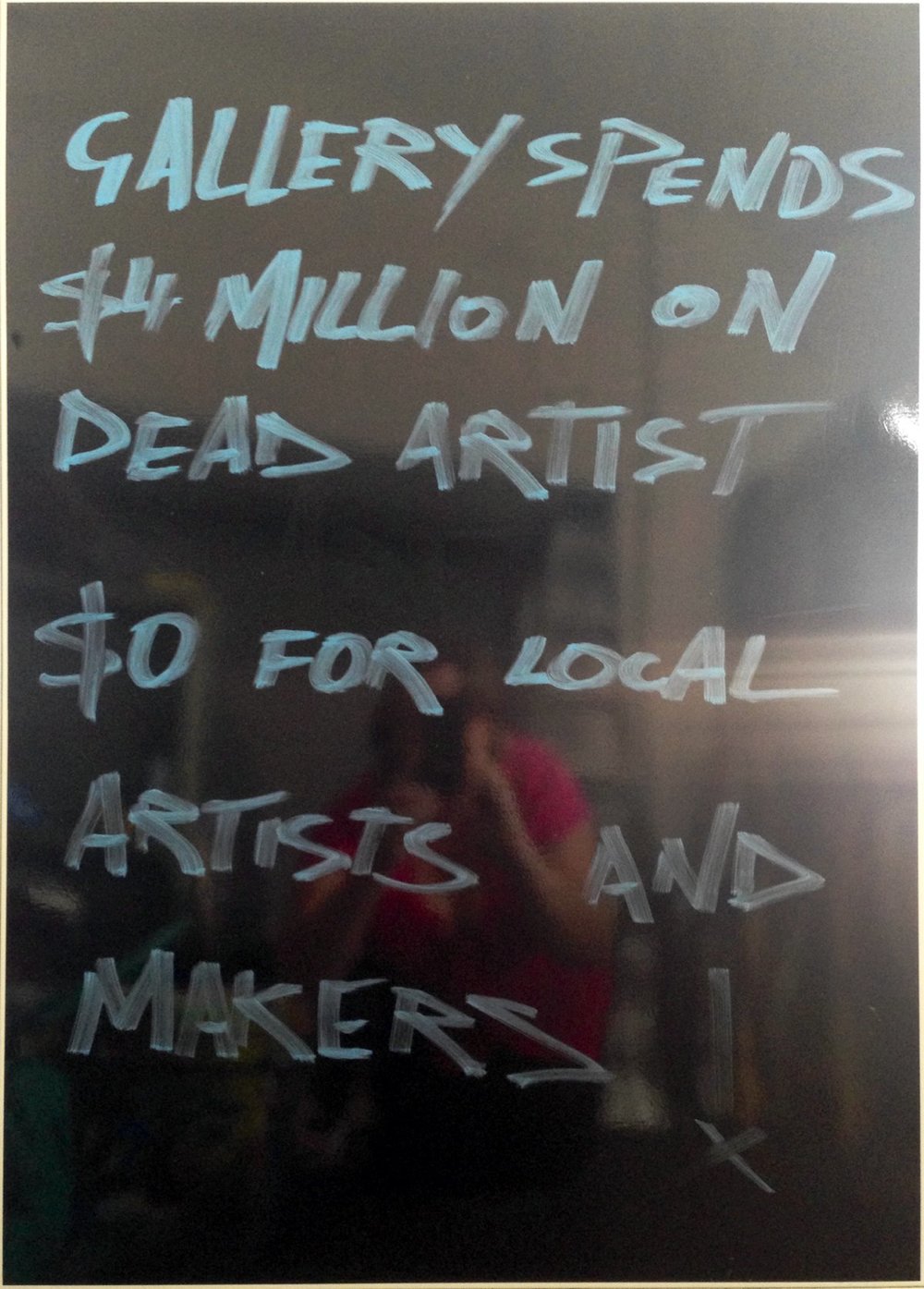
We’ve had some varied feedback about our A-frame today, and I would like to thank those who spoke to me about their feelings regarding the sign’s content. 


This link explores the same themes provides insight into the issue of popularity and death. 

At the studio, we’re not about sledging Margaret Olley or her legacy, but what we are advocating for is support for living artists, so their careers can flourish. And as an organisation which is living in the shadows of other well funded facilities it is a challenge to run a successful arts business. 

We’ve exhausted every other polite way to demonstrate these experiences to the ‘powers that be’, and this is one way of creating critical debate about this topic.


p.s. Sorry about the relfective selfie!